

Introduction
Dave Ramsey’s financial advice has helped millions, but when it came to acquiring our second investment property, we found that his approach didn’t work for us. In this post, I’ll share our journey, what we tried, why it didn’t work, and what we did instead.
Securing Our First Investment Property
The very first thing my husband and I did was get a line of credit approved for our first investment property. We paid that property off really quickly—within about 2.5 years—because at that time, we were making full mortgage payments, extra payments, and using the tenant’s rent to contribute as well. Effectively, we were making triple mortgage payments.
Using a Line of Credit for Our Second Investment Property
After paying off our first property, we went looking for a line of credit. Since the property was fully paid off, we were able to secure 80% of its value. That gave us access to about $190,000. One of the great things about this was that we could get the line of credit in the name of our LLC. I strongly believe landlords should create a company to protect themselves. By keeping the property and its bank accounts in the business’s name, we separate our personal and business finances, limiting liability.
A few things to keep in mind about a line of credit: the required payments are typically interest-only. Ours has a two-year term, meaning we have to renew it every two years, prove our financial stability to the bank, and pay a renewal fee. If you only pay interest, the bank might push you to pay principal or could even revoke the credit line, so we have a strategy to pay more than the minimum. If the credit line is revoked, the bank will would likely work with you to refinance the LOC into a more traditional loan.
The Search for the Right Investment Property
We were super eager to find our next property, but the search took way longer than expected—around a year and a half. We put in offers on a few places, but they were rejected. Some people assume that real estate investors drive up housing prices, but that’s not really true – at least not for small investors. As investors, we need properties to cash flow positively, which is harder to achieve with rising home prices and high interest rates.
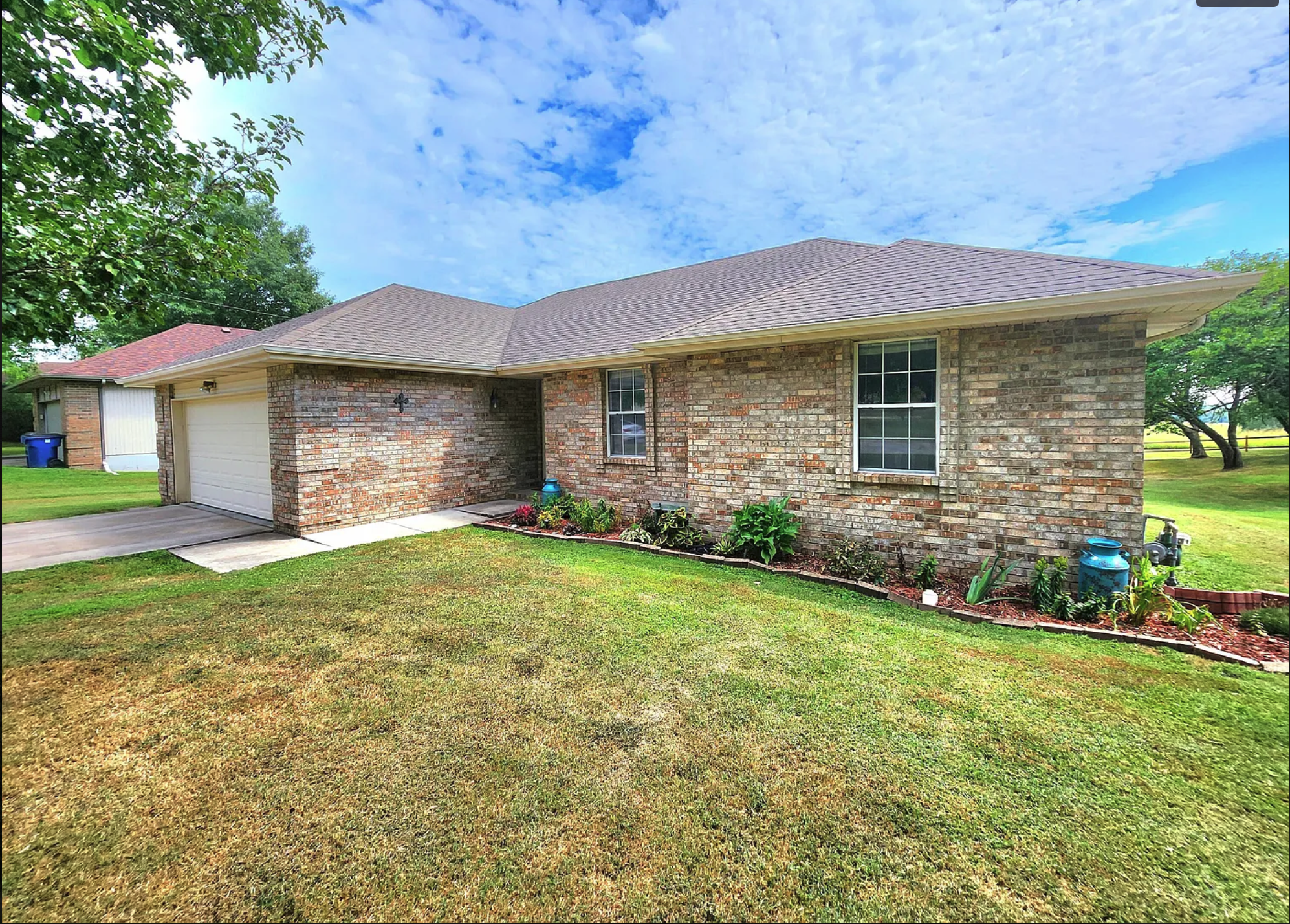
The property we eventually purchased needed some work, but we got lucky. We were the first ones to tour it, and that same evening, I ran a cash flow analysis. If you’re interested, I can do a separate video and blog post explaining exactly how I calculate cash flow. After crunching the numbers, I told my husband, “I think this is a good one.” We prayed about it and made an offer.
Initially, the sellers declined. It was the first weekend the house was on the market, and they had more showings scheduled. We countered, and they declined again. Since we only invest in properties that have a positive cash flow, we were prepared to walk away. But the next morning, the sellers came back to us.
Since we had the line of credit, our offer was like a cash deal—there were no financing contingencies, appraisals, or delays that could cause the deal to fall through. The sellers needed to relocate quickly, so our offer was the safest bet for them.
Managing Cash Flow for Long-Term Rental Success
Once we secured the property, we had to make sure we had enough cash on hand—not just for the 20% down payment, but for other expenses too. We needed money for:
- Security deposits for our existing tenants
- Property repairs before listing it for rent
- Property taxes and insurance
We brought in about eight different contractors before closing to get quotes on everything we needed to fix—painting, fencing, driveway repairs, roofing, and more. I use a method called cash flow budgeting, which is part budget, part forecast. This helped us determine exactly how much to pull from our line of credit so we wouldn’t take out more than necessary.
Once we closed, we moved fast. All repairs were completed within 2.5 weeks, and then we did a deep clean—our daughter even helped us! We listed the property on Zillow, which we love because they handle tenant applications, credit checks, income verification, and background checks.
We also allow dogs in our rental properties, but we have one rule: we must meet the dog in person before approving a tenant. We schedule a walkthrough where the tenant brings their dog, and we watch how it behaves in the space. This helps us make sure we’re not bringing an aggressive dog onto the property.
Future Plans and Why Dave Ramsey’s Buy With Cash Approach Didn’t Work for Us
Our long-term plan is to convert the line of credit into a commercial mortgage when interest rates improve. We initially followed Dave Ramsey’s debt-free philosophy, but we hit a major roadblock: saving enough cash for a second property became unrealistic. Home prices skyrocketed, and when I left my corporate job, our income was reduced significantly.
When we started, we thought we could buy a second investment property for around $130,000. But as time passed, those same properties jumped to $180,000. Every time we saved enough, the price had gone up again. We were chasing a moving target and never quite getting there.
The only way I see Dave’s approach working is if the housing market crashes, like in 2008. Back then, property values plummeted, and if you had cash on hand, you could scoop up great deals. But that kind of housing crisis isn’t common. Under normal conditions, trying to save enough cash while prices keep rising made it impossible for us to catch up.
Conclusion
Dave Ramsey’s approach works for some, but for us, leveraging a line of credit made more sense. If we had waited until we had enough cash saved, we’d still be waiting. Instead, we now have three rental units contributing toward paying off the loan, along with our own income.
If you’re considering investing in real estate, I encourage you to look at all financing options. What are your thoughts? Have you tried Dave Ramsey’s method? Let me know in the comments!
You can find the corresponding YouTube video here: https://youtu.be/70aQiC8Wh6g

